Selling a small home in Ann Arbor can feel like a puzzle. You want buyers to see light, flow, and storage instead of tight rooms and clutter. The good news is that the right staging strategy makes compact spaces look bigger, more flexible, and more valuable. In this guide, you’ll learn what to prioritize, how to budget, and how to prep your listing media so your home stands out in Washtenaw County. Let’s dive in.
Why staging small homes in Ann Arbor works
Ann Arbor’s market continues to reward homes that show well. Recent reports place the Washtenaw County median sold price around $425,000, with the Ann Arbor city median higher near $499,900. Inventory remains relatively tight, so properly priced small homes that look move-in ready can still draw fast attention.
Demand is also supported by the University of Michigan. U‑M reported record enrollment for fall 2024, which keeps interest strong in smaller houses and condos near downtown and campus. If your home is close to the core, highlight walkability and flexible spaces that suit varied schedules and lifestyles. You can read more about U‑M’s growth in the university’s report on record enrollment.
Ann Arbor’s owner-occupancy rate sits under 50 percent, and the median owner-occupied home value is in the mid-$400Ks, according to U.S. Census QuickFacts. That mix means many buyers are comparing smaller homes and condos across different neighborhoods and lifestyles. Neutral, broadly appealing staging helps your listing connect with more of them.
Staging priorities that change perceived size
When you only have so much time and budget, focus where buyers look first.
Stage the big three rooms
NAR’s staging research shows the living room, primary bedroom, and kitchen influence buyers most. Start here if you need to prioritize.
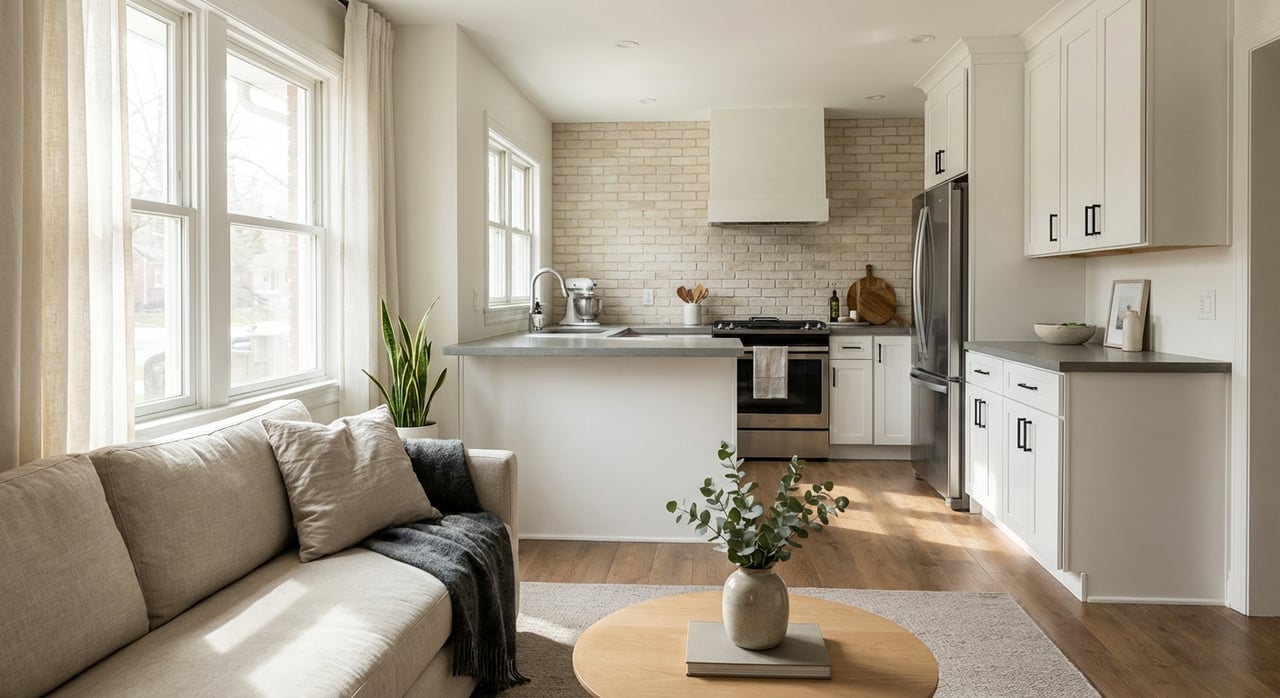
- Living room: Use a slimmer-profile sofa and two light chairs. Add a single large rug to define the seating area, and layer lighting so corners feel bright and usable.
- Primary bedroom: Keep the bed scaled to the room, use neutral bedding, and clear 50 percent of closets so storage reads as generous.
- Kitchen: Clear counters to a few styled essentials. Add warm bulbs or under-cabinet lighting to remove shadows that make small kitchens feel tight.
According to NAR, staged homes often see higher offers and reduced days on market. Even modest updates can make a measurable difference.
Paint, lighting, and flooring unity
Your goal is uninterrupted sightlines and consistent finishes so the home reads as one calm, connected space.
- Paint: Choose a single soft neutral across main areas. Lighter walls bounce light and make rooms feel wider.
- Lighting: Replace dim bulbs with daylight-balanced LEDs. Add a floor or table lamp in any dim corner.
- Rugs and flooring: Use one larger area rug instead of several small ones. Consistency tricks the eye into seeing a larger footprint.
Layout rules for compact rooms
Small rooms benefit from furniture that breathes. Choose pieces with visible legs and narrow arms, and avoid oversizing any single item. Floating a sofa or chair a few inches from the wall can create better flow and make the room feel intentionally arranged. For more small-space layout ideas, review these proven tips on staging narrow, older homes that share many traits with Ann Arbor bungalows.
Multi-function and storage visible at a glance
Small homes win when buyers can immediately understand how to live there.
- Show dual-purpose zones, like a small dining area that also fits a laptop, or a bedroom corner with a compact reading chair.
- Go vertical with shelves and wall hooks to suggest real-life storage solutions without overwhelming sightlines.
- Edit closets and under-bed storage so buyers see open space, not overflow.
Photo-first marketing for small spaces
Most buyers see your listing online before anything else. That first impression sets expectations for size and light.
- Schedule professional photography right after staging. NAR reports that high-quality images and virtual tours play a key role in attracting buyers and speeding decisions.
- Consider virtual staging if the home is vacant and a full furniture rental does not fit your budget. Many MLS systems allow it with clear disclosure. Always label images that have been virtually staged, and follow MLS policy on photo editing.
- Create a shot list that showcases your strongest features: natural light, updated finishes, a usable porch or patio, and any flexible nook that supports work or study.
Seasonal and curb appeal touches in Ann Arbor
Ann Arbor’s seasons are part of the lifestyle. Use them to your advantage.
- Winter: Keep walks and steps clear. Add layered lighting, knit throws, and warm accents to counter gray skies in photos. Hide air hoses and cover outdoor equipment so exteriors look tidy.
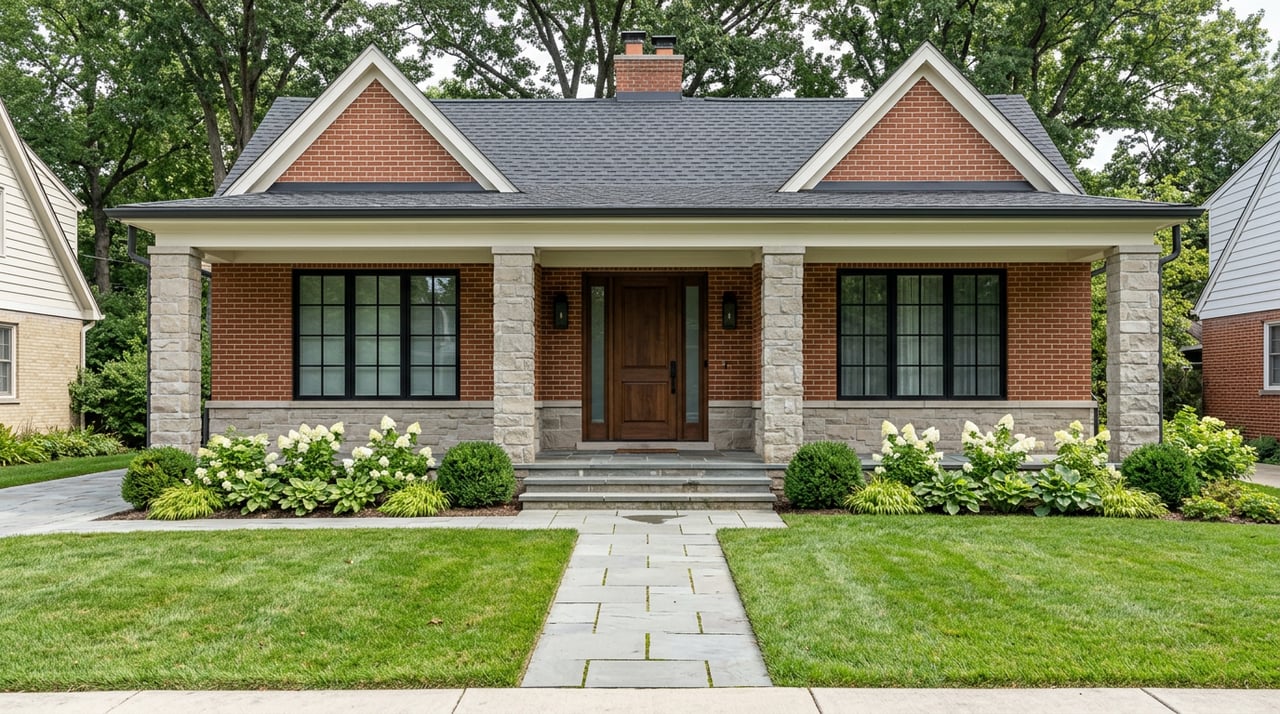
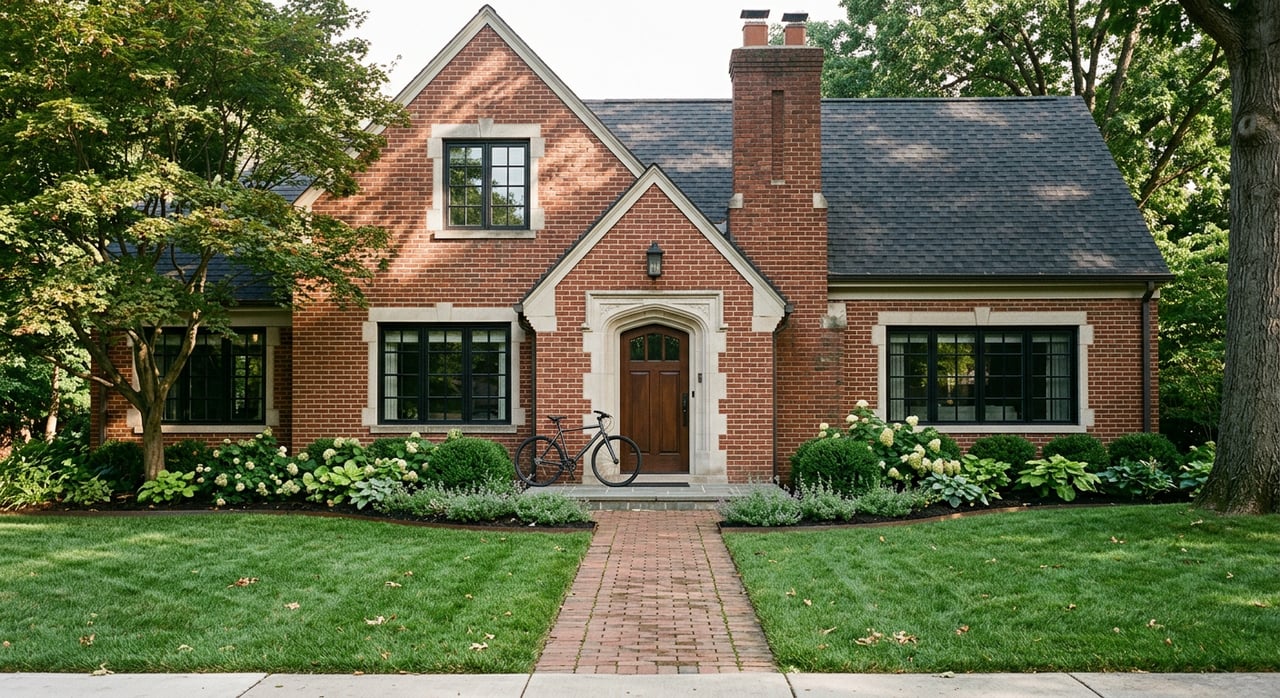
- Spring and summer: Feature porches, patios, and any garden bed. Stage simple outdoor seating and highlight nearby walking or biking access.
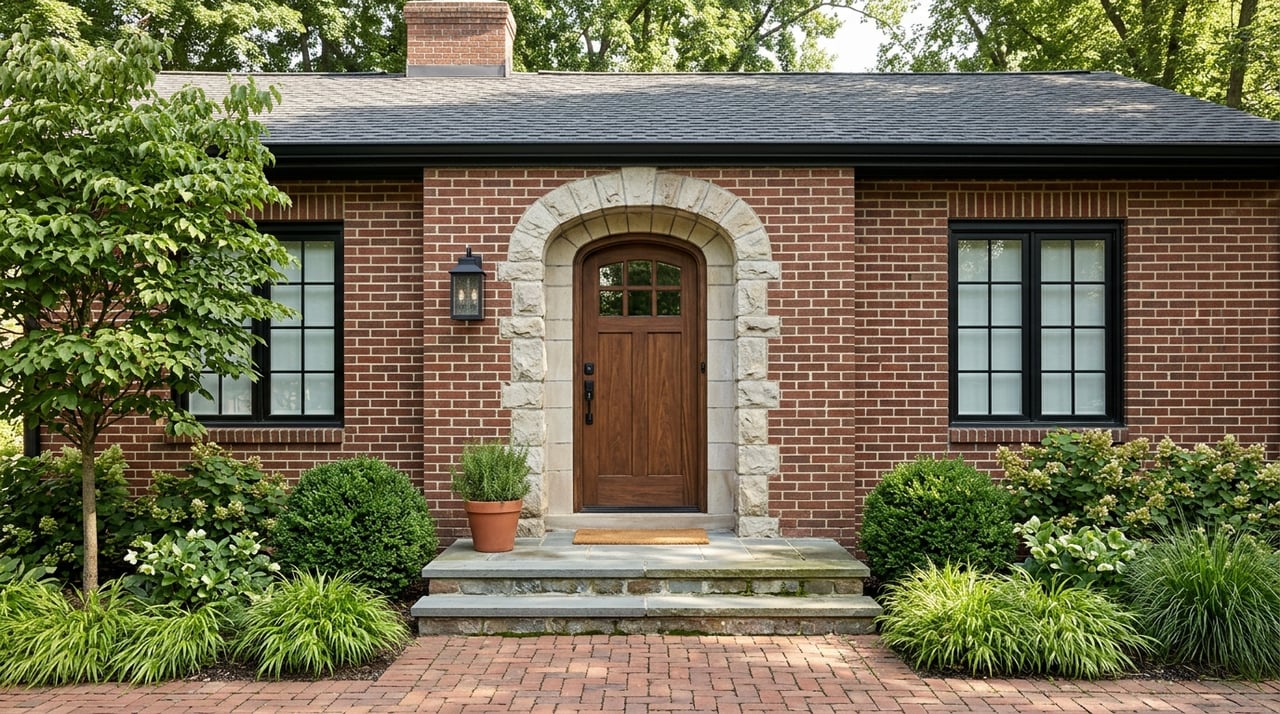
- Historic districts: If your home sits in a designated historic area, confirm the city’s preservation guidance before making exterior changes. Small, reversible curb appeal upgrades like power-washing, minimal planters, and fresh door hardware can still make a big difference.
Budget and ROI: what to expect
You do not need a massive budget to transform a small home. Typical costs vary by scope.
- Consultation or light staging for one or two rooms often ranges from about $300 to $1,000.
- Partial staging focused on key rooms commonly runs $800 to $3,000.
- Full staging for a small house with multiple rooms may range from $2,000 to $7,000 for 30 to 60 days of furniture rental. Virtual staging costs far less per image and can be a smart compromise.
Industry surveys and market coverage support these estimates. Many agents report staged homes achieve 1 to 10 percent higher offers on average and spend less time on market, though results vary by condition and price point. In Ann Arbor’s compact bungalows and condos, that extra perceived space and clarity of use often pays off quickly.
6–12 month staging timeline
You can prepare at a comfortable pace or compress into a few weeks if needed. Use this roadmap either way.
6–12 months before listing
- Walk the home with your agent to set a prioritized plan tied to current comps.
- Schedule essential repairs that could impede a sale, such as roof or major mechanicals.
- If your home is in a historic district and you are planning exterior work, review the city’s historic preservation maps and guidance and apply for the appropriate approvals if needed.
- Decide your staging approach: DIY with a consultation, agent-led styling, partial staging, or full staging with furniture rental. Get written quotes and rental timelines.
2–6 weeks before listing
- Declutter and depersonalize. Remove extra furniture, family photos, and collections. Aim for half-empty closets and clear floors.
- Paint in a light, neutral palette. Update bulbs to daylight LEDs and add a floor or table lamp where needed.
- Book your professional photographer and virtual tour provider to shoot immediately after staging is complete.
0–7 days before listing
- Place furniture and final accessories. Confirm a photo shot list, including exteriors at golden hour if possible.
- Capture photos, virtual tour, and a floor plan if budget allows. If you use virtual staging, label images clearly in line with MLS rules.
- Review and approve listing copy and media so everything launches together.
Showing and open house checklist
- Clear countertops and nightstands. Make beds and store hampers, trash bins, and pet items.
- Open window coverings for maximum light. Set a comfortable temperature.
- Add a simple touch like fresh flowers or a bowl of fruit in the kitchen.
Local resources to stretch your budget
- Donate or source budget-friendly staging pieces at Habitat for Humanity Huron Valley ReStore in Ann Arbor. It is a great way to declutter responsibly or pick up a few neutral accents.
- Compare local stagers’ portfolios and ask about rental durations, delivery logistics, and refresh visits.
- Ask photographers about packages that include floor plans or virtual tours so your listing tells a complete story online.
Ready to list smarter?
Staging a small Ann Arbor home is about clarity. When buyers can see how each room works, how light flows, and where their daily items will go, your home feels bigger and more valuable. If you want a tailored plan for your property and neighborhood, I am here to help you prioritize what matters and deliver a polished listing from day one. Let’s connect through Demetrius Traylor to get started.
FAQs
Do small Ann Arbor homes still need staging in a competitive market?
- Yes. NAR’s staging research shows staged homes often secure higher offers and spend less time on market, which is especially helpful for compact spaces.
Which rooms should I stage first to sell a small house?
- Focus on the living room, primary bedroom, and kitchen. These areas most influence buyer perception and offer the best return on staging effort.
Is virtual staging allowed on the MLS for Ann Arbor listings?
- Virtual staging is commonly allowed with clear, conspicuous disclosure. Always label virtually staged photos and follow your MLS policies on image editing.
How much does staging a small Washtenaw County home cost?
- Budgets vary, but consultations often run $300 to $1,000, partial staging $800 to $3,000, and full staging $2,000 to $7,000 for a small home, with virtual staging costing far less per image.
What if my property is in a historic district and I want curb appeal updates?
- Make small, reversible upgrades and confirm city preservation rules before any permanent exterior changes. Review the city’s historic district guidance first.