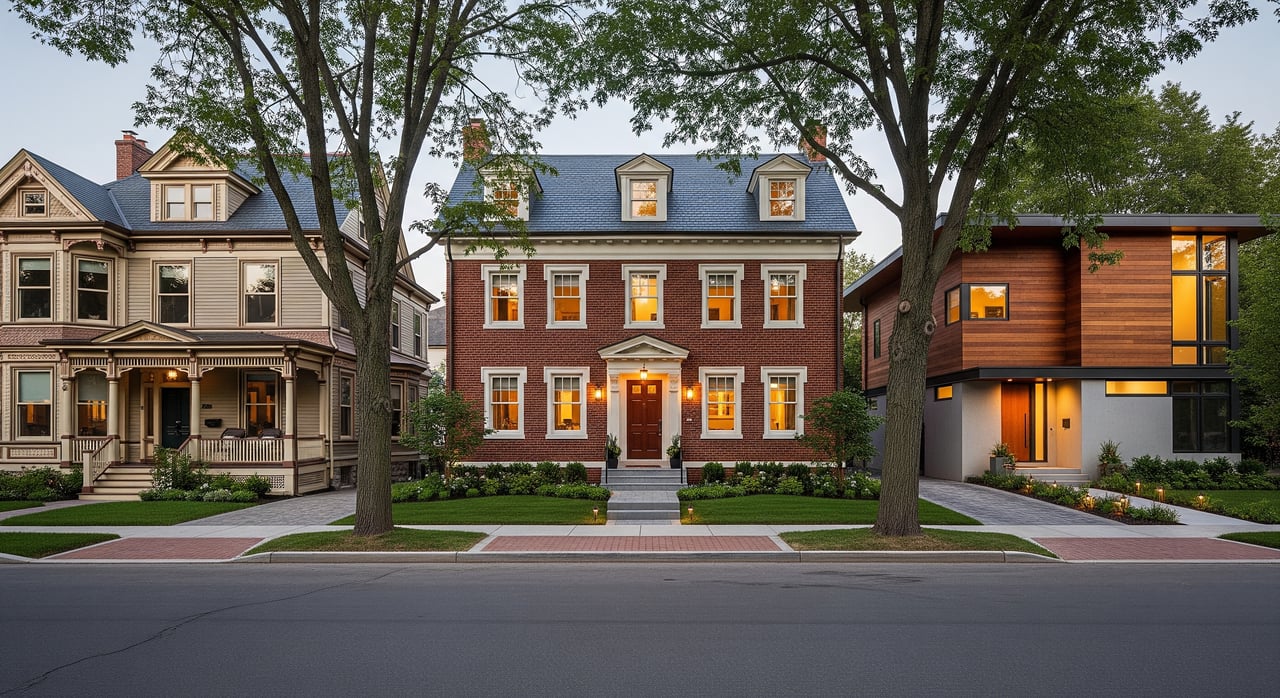
Trying to make sense of Ann Arbor’s neighborhoods and home styles? You are not alone. Between the University of Michigan’s pull, historic streets near downtown, and newer subdivisions at the edges, it can be hard to compare your options. In this guide, you’ll get a clear picture of where different housing types cluster, what day-to-day life feels like in each area, and the practical checks that help you buy with confidence. Let’s dive in.
How Ann Arbor’s layout shapes your options
Ann Arbor is centered on the University of Michigan and its health system, which drive demand for housing near campus and downtown. The core areas feature condos, apartments, and historic single-family streets. Farther west, south, and into nearby townships, you’ll find post‑war and newer subdivisions with larger lots.
City planning and local historic-district rules guide what you can change on older homes. If you are considering a house in a designated district, plan to review the City’s approval process before tackling exterior work.
Downtown and Kerrytown: walkable condo hubs
You will see a high concentration of condos and apartments in and around downtown and Kerrytown. Buildings range from late 19th‑century masonry to recent multi‑story developments. Townhomes and a small number of single-family homes appear in pockets, often within a short walk to markets and dining.
Daily life here is very walkable. You can step out to restaurants, retail, arts, and the Kerrytown Market. Many professionals and empty‑nesters choose this area for convenience.
Commuting is simple if you work downtown or on Central Campus. Walking and biking are common. City bus routes and university shuttles serve the core. Parking rules vary block by block, so plan to review permit and meter details for your street.
Near campus: South U, Central, Old Fourth Ward, Burns Park
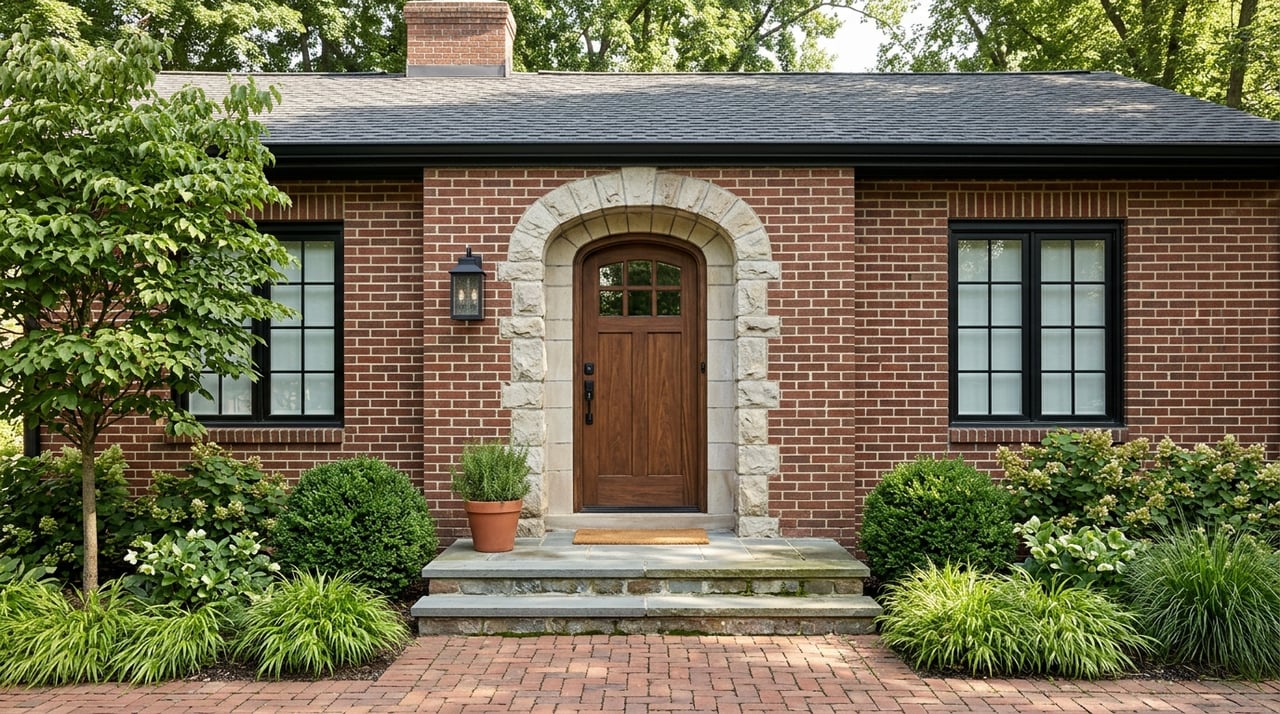
Near-campus neighborhoods mix student rentals with older single-family homes. You will find Victorian and Colonial Revival houses, early 20th‑century bungalows and foursquares, plus small apartment buildings. Burns Park and Old Fourth Ward have many early 1900s homes with classic architecture.
These streets are active and pedestrian‑oriented. Some blocks have more student rentals, while others feel more residential. If you want quick access to campus and downtown without living in the middle of nightlife, you can focus on quieter adjacent streets.
Walking and biking are common here. If you rely on a car, expect varying on‑street rules. Some blocks use permits, and meter times differ by zone.
Historic character close to downtown: Old West Side and nearby
The Old West Side and nearby downtown‑adjacent districts offer some of Ann Arbor’s most architecturally distinctive homes. You will see Victorian, Queen Anne, Colonial Revival, Craftsman, and American Foursquares on moderate lots, many with original details.
These are quiet, established streets with strong historic character and quick access to downtown. Parts of these areas fall within local historic districts. Exterior changes may require review and approval, so factor timelines and costs into your plans.
West Side and west‑of‑Main neighborhoods
West of Main Street, including the West Park area, you will find mid‑century ranches, split‑levels, and post‑war subdivisions. Infill and some new construction appear along commuter corridors. Lots are often larger than near‑campus parcels.
The feel is more car‑oriented than the central core, with a quieter residential pace and convenient access to parks and shopping nodes. Commutes are typical city drives with easy connections to M‑14 and US‑23 for regional trips.
North and North Campus areas
Around North Campus, housing includes student residences and on‑campus buildings. Adjacent neighborhoods feature modest single‑family homes, bungalows, and some newer infill.
The mix of students and year‑round residents reflects the nearby research and tech employers. Walking and biking work well for North Campus destinations. For other parts of the city, you may prefer to drive or use bus routes that serve the corridor.
South and southeast: State Street and Washtenaw corridors
South and southeast Ann Arbor offer a broad range of housing. Near the core, you will still find older homes. Farther out, ranches and later subdivisions become common. Mid‑rise apartment communities have increased along Washtenaw Avenue and near major intersections.
Some blocks are well‑established residential streets, while corridor segments feel more commercial and denser. Washtenaw is a major east‑west route with bus service and higher traffic volumes. Many residents drive for daily commutes.
Premium pockets: Barton Hills, Ann Arbor Hills, and more
Barton Hills, Ann Arbor Hills, and similar enclaves feature large lots with private or wooded settings. Homes include well‑preserved older estates and high‑end custom builds.
These low‑density areas are very quiet with a secluded feel. You will rely on a car for most trips, though drive times to downtown and campus are short to moderate depending on the address.
Nearby townships and towns: more space, often lower prices
Pittsfield Township, Scio Township, Dexter, Saline, and Ypsilanti offer more suburban or rural character. Expect larger lots, newer subdivisions, and lower density than in the city. Many buyers compare these areas to city neighborhoods when looking for more space or a different tax profile.
Daily life is car‑dependent. Commutes into Ann Arbor are longer, and regional trips use US‑23 and I‑94. Some residents commute toward Detroit or the airport using the same corridors.
Housing styles by era: where to find them
Pre‑1910: Victorian and Queen Anne
You will see late 19th‑ and early 20th‑century Victorian and Queen Anne homes in the Old West Side, parts of Kerrytown, and near downtown, including segments of Burns Park. These homes often have ornate details and front porches, with layouts that may differ from modern plans.
1910s–1930s: Craftsman, Foursquare, Tudor Revival
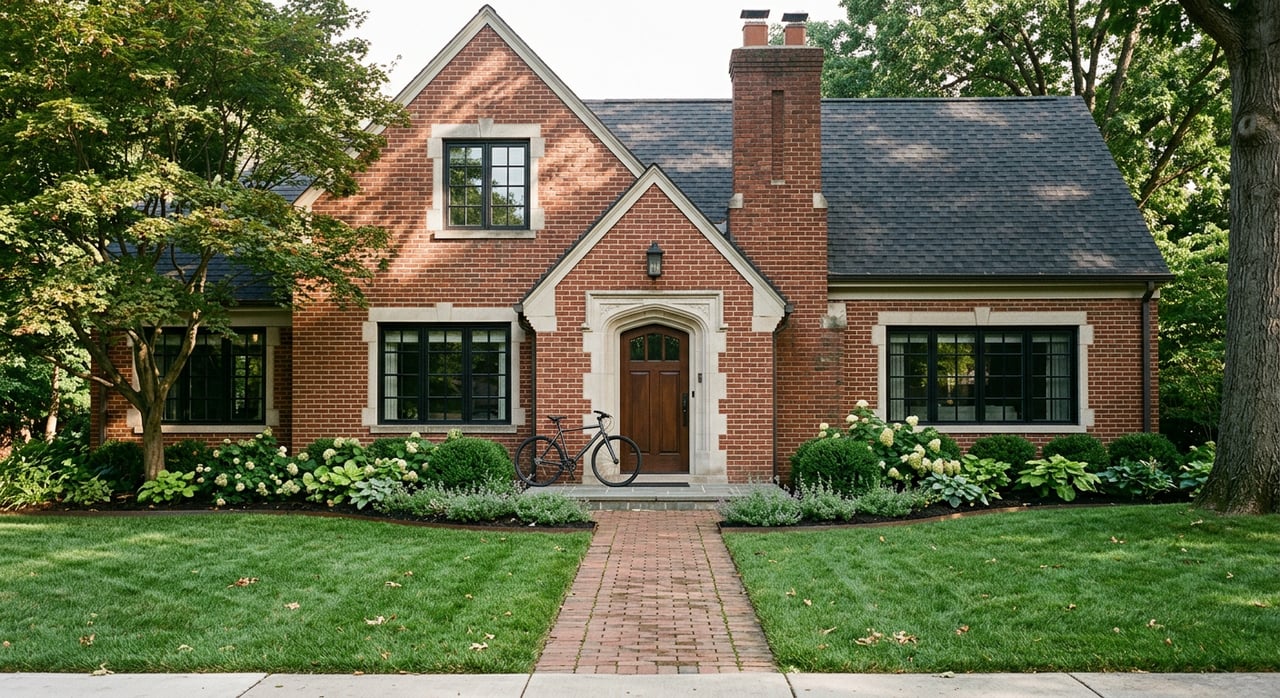
Craftsman bungalows, American Foursquares, and Tudor Revival homes are common in near‑campus neighborhoods and older central blocks. Expect woodwork, built‑ins, and original windows in many homes, plus the charm of early 20th‑century streetscapes.
1940s–1960s: Ranch, split‑level, mid‑century
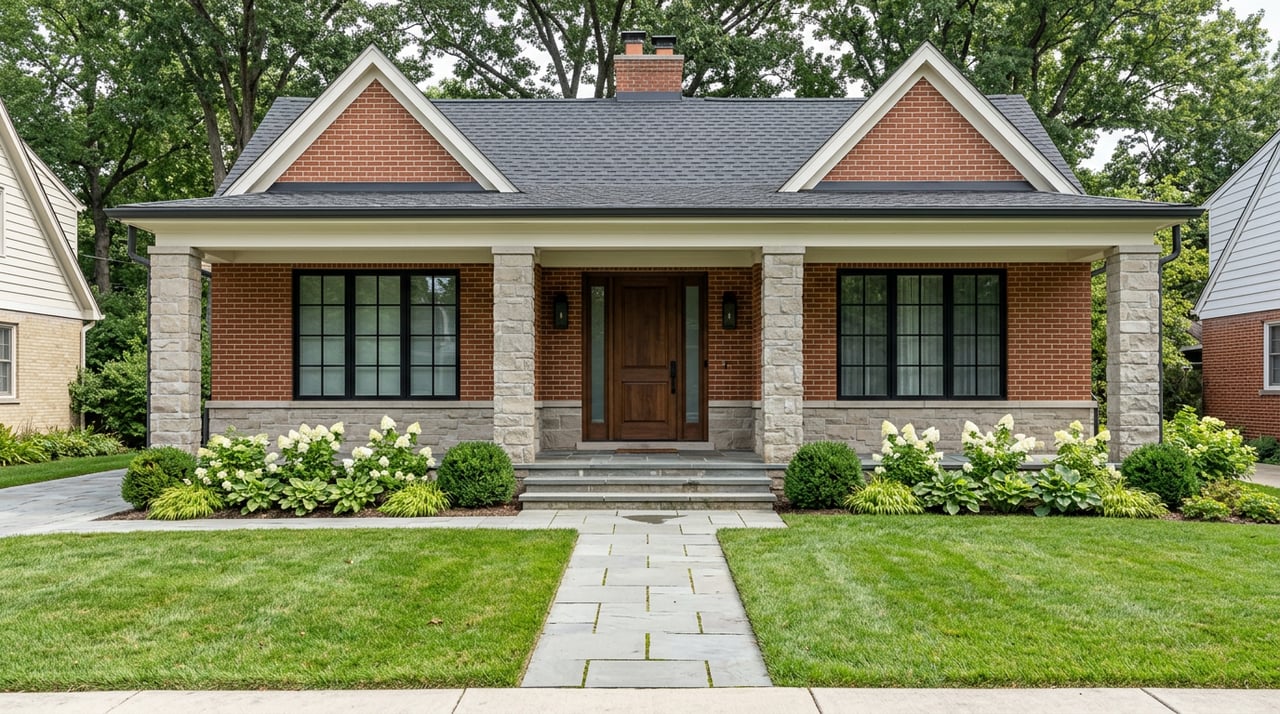
Post‑war expansion brought single‑story ranches, split‑levels, and some mid‑century modern designs, especially across the west, south, and north parts of the city. These homes often sit on larger lots than those near downtown.
1970s–1990s: Suburban colonials and planned subdivisions
Farther west and south in the city and into neighboring townships, you will find two‑story colonials, larger ranches, and planned subdivisions. Streets and floor plans trend more contemporary than in the central core.
2000s–present: Infill townhomes and new condos
Recent years brought infill townhomes near the core and new condo developments downtown and along major corridors. Luxury contemporary builds appear in select pockets and in some newer subdivisions.
Renovation and maintenance: what to plan for
Older homes from before 1940 may need updates to mechanical systems, insulation, windows, and at times foundation or roof work. Specialized trades can help you preserve character while modernizing.
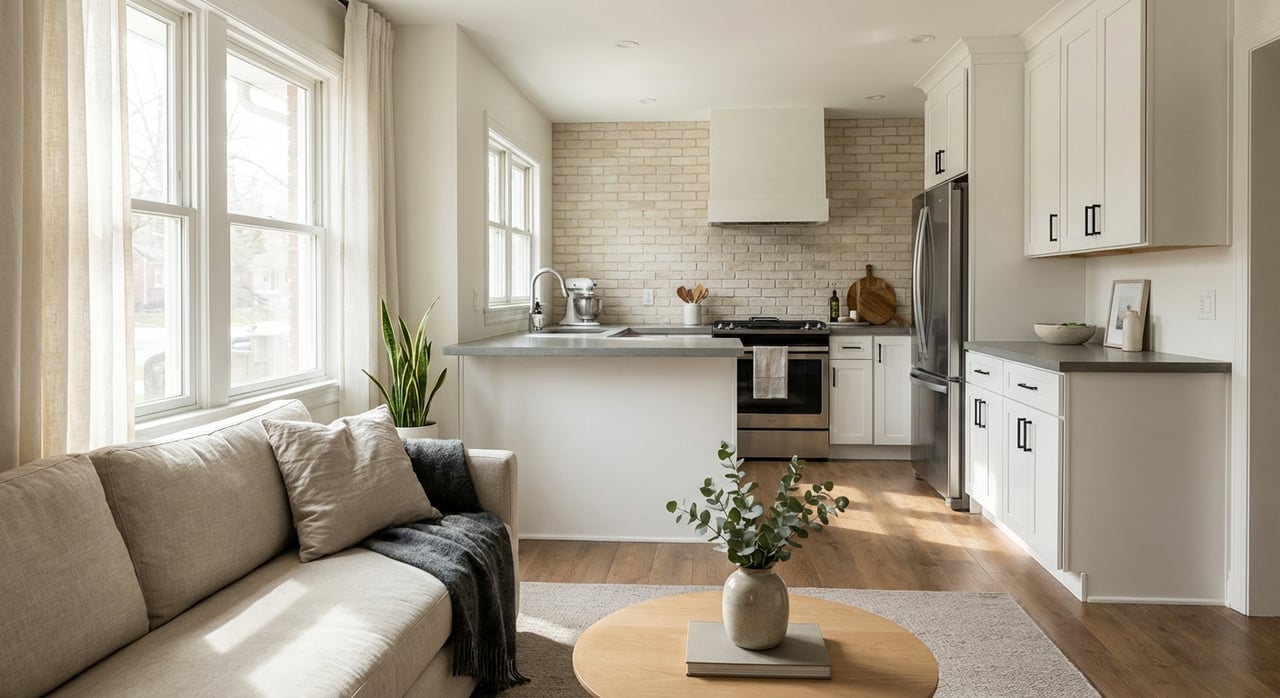
Mid‑century houses often benefit from electrical service updates and kitchen or bath renovations, along with energy‑efficiency improvements like air sealing and insulation.
Newer subdivisions usually require less immediate maintenance. Still, review builder warranties and pay attention to grading and drainage on newer lots.
If you are considering a condo or multi‑unit property, review association rules, budget, and reserve studies. These affect long‑term maintenance and potential assessments.
Basement water and drainage can be a concern on some lots, especially near the Huron River or in lower‑lying areas. Plan for a thorough inspection that covers grading, gutters, and water management.
If your target home sits in a local historic district, build time into your schedule for exterior review and approvals before you replace windows, siding, or other visible elements.
Commute, transit, and walkability
Ann Arbor supports multiple ways to get around. Walking works well downtown, in Kerrytown, and in many near‑campus neighborhoods, where Walk Score is typically high. Biking is popular thanks to on‑street lanes and multi‑use paths, including Huron River Greenway segments.
City bus routes operate along major corridors like Washtenaw, State, and Huron. University shuttles reduce car use around campus. In most outlying areas, driving remains the primary mode, with I‑94, US‑23, and M‑14 handling regional trips.
Parking varies. Near campus and downtown, many blocks use meters or residential permits. Before you buy, check the specific block’s rules so your day‑to‑day routine goes smoothly.
Practical comparisons: price tiers, schools, taxes, renting
- Relative prices tend to be higher for downtown condos, Old West Side, luxury new builds, and select near‑campus single‑family streets. Mid‑range choices include many established single‑family neighborhoods west and south of downtown, plus updated bungalows and ranches. Lower‑cost options often appear in outlying townships or on smaller in‑city homes that need renovation.
- School boundaries can shape your search. Attendance zones change, and performance data varies by school. If schools matter to you, verify current boundaries and data during your home search.
- Property taxes can differ based on assessed value, millage changes, and special district levies. Review the latest tax bill and assessment history for any property you are considering.
- If you plan to rent out a property, note that demand near campus and downtown is consistently strong. Zoning, rental density rules, and parking regulations matter, so review local ordinances before you purchase.
How to choose your fit
Use a simple framework to narrow your options:
- Lifestyle priorities: Do you want a short walk to coffee and campus, or a quieter street with a bigger yard?
- Home type and era: Are you drawn to historic features or the layout of a mid‑century ranch? Would a townhome or condo suit your lifestyle better?
- Maintenance appetite: Are you excited to renovate, or do you prefer move‑in ready? Factor in historic‑district rules if relevant.
- Commute and transport: Test your route at peak times. If you will rely on transit or biking, focus on corridors with strong service.
- Budget strategy: Consider relative price tiers across neighborhoods, plus taxes, association fees if any, and common upgrade costs by home age.
For sellers: highlight what buyers compare
Buyers in Ann Arbor often compare homes across very different neighborhoods. You can stand out by clearly presenting your home’s architectural style, key updates, and the everyday benefits of your location. If your property is in a historic area, make approvals and documented work easy to review. If you are listing a mid‑century or newer home, highlight energy‑efficiency improvements, layout flexibility, and outdoor space.
Clear, neighborhood‑specific positioning helps attract the right audience. Thoughtful staging, accurate disclosures, and detailed listing notes about parking rules, transit access, and nearby amenities build confidence and shorten decision time.
If you want a local, hands‑on advisor to help you compare neighborhoods, line up inspections, and position your home the right way, connect with Demetrius Traylor. You will get responsive communication, neighborhood knowledge, and guidance tailored to your goals.
FAQs
Which Ann Arbor neighborhoods minimize commute to U‑M?
- Downtown, Kerrytown, Burns Park, Old Fourth Ward, and areas next to Central and North Campus offer walkable or bikeable access to campus.
Where can you find the most historic homes in Ann Arbor?
- Old West Side, Kerrytown‑adjacent blocks, Burns Park, and central near‑campus streets feature Victorian, Craftsman, and early 20th‑century homes.
Where should you look for larger yards at a lower price near Ann Arbor?
- Outlying townships like Pittsfield and Scio, plus peripheral city neighborhoods to the west and south, typically offer larger lots and lower per‑acre prices.
Are there new‑construction options in Ann Arbor?
- Yes. You will see downtown condo projects, infill townhomes near the core, and larger new subdivisions at the city edges and in nearby townships.
How limited is parking in student‑heavy areas near campus?
- On‑street and off‑street parking can be constrained. Many streets use permits or have time limits, so review the rules for your specific block.