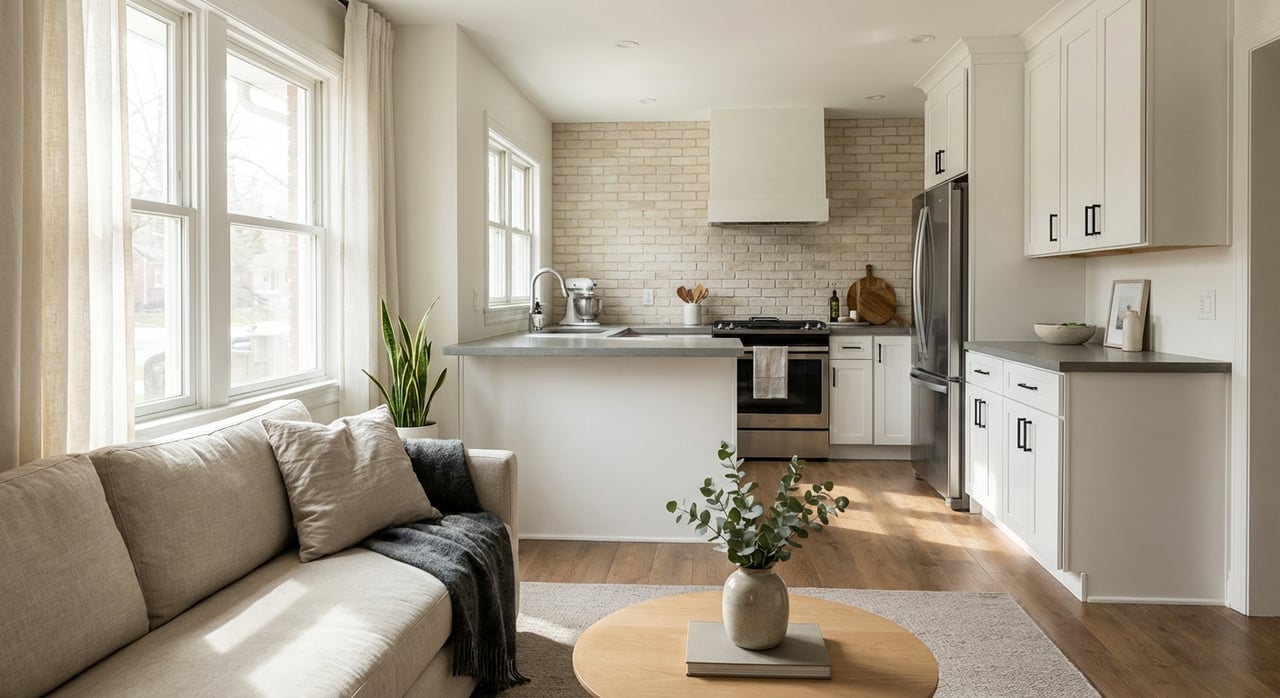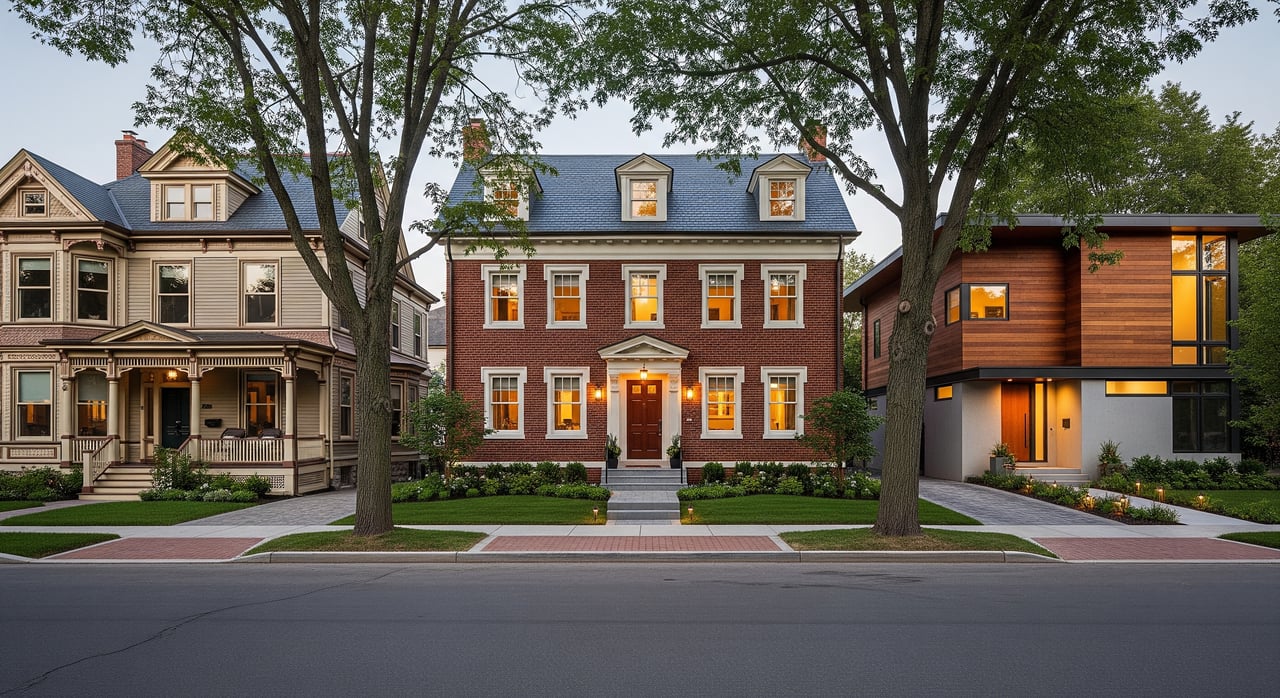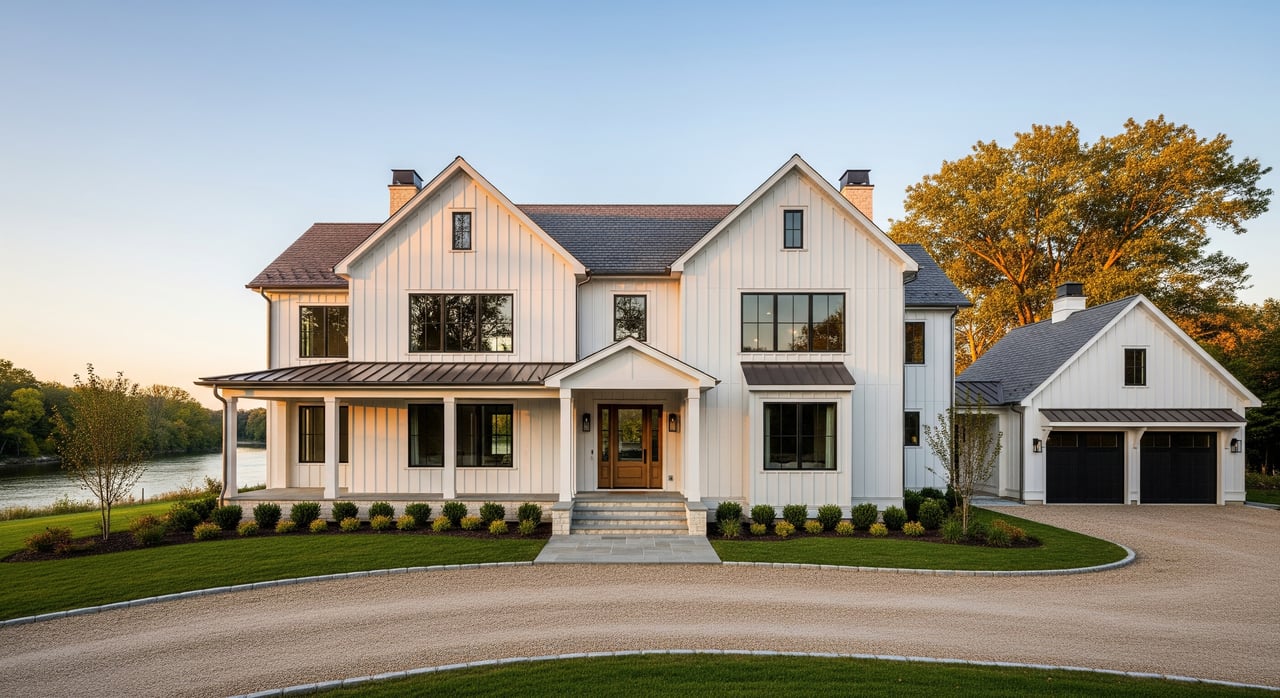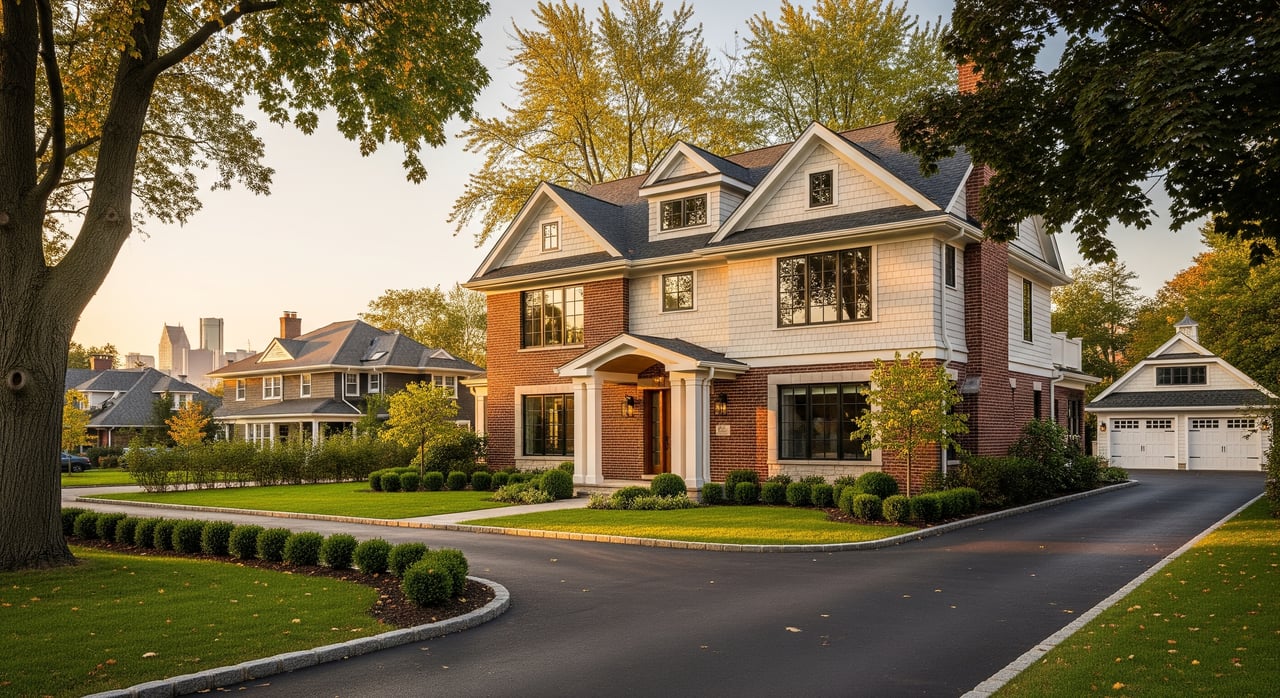
Thinking about buying your first rental in Canton Township but not sure where to start? You’re not alone. With convenient highway access, steady suburban demand, and a range of property types, Canton can offer a clear path to long-term rental income if you run the numbers carefully. In this guide, you’ll learn which neighborhoods to consider, what rents look like today, the key return drivers, and a simple ROI calculator you can use. Let’s dive in.
Why Canton attracts renters
Canton Township sits in Wayne County within the Detroit–Warren–Dearborn metro, with strong commuter access along Ford Road (M-153), Michigan Avenue (US-12), and I-275. That connectivity draws renters who work in Dearborn, Livonia, Detroit, and Ann Arbor.
Tenant demand often comes from commuting professionals, healthcare and service workers, small families seeking neighborhood stability, and corporate transfers tied to automotive suppliers. Suburban single-family rentals tend to see consistent interest in stable markets, which can reduce downtime when you price and present the home well.
Neighborhood snapshots
Corridor-access pockets
Areas near Ford Road, Michigan Avenue, and I-275 are popular with commuters. You’ll find a mix of apartments, condos, and townhomes near commercial corridors, plus single-family homes in adjacent subdivisions.
Family-oriented subdivisions
Established single-family neighborhoods within ZIP code 48187 offer yards, garages, and practical layouts. Neutral factors like lot size, interior updates, and proximity to parks can support longer tenancy.
Townhome and condo clusters
Newer or recently updated condo and townhome communities appeal to renters who want lower-maintenance living. Keep HOA fees in mind since they reduce net yield.
Small multifamily options
Duplex-to-quad properties exist but are less common in Canton compared to nearby suburbs. When you find them, underwrite conservatively and verify rents and expenses for each unit.
Typical rents to expect
These ranges are directional and should be verified with live comps before you write an offer. Condition, updates, and exact location will move numbers up or down.
- 1-bedroom apartments or condos: about $900 to $1,300 per month
- 2-bedroom apartments or condos: about $1,100 to $1,600 per month
- 2–3 bedroom single-family homes: about $1,300 to $1,900 per month
- 3–4 bedroom single-family homes, newer or upgraded: about $1,700 to $2,400+ per month
- Townhomes/condos with HOA: often priced similar to apartments, but budget HOA fees of roughly $150 to $350 per month
For demand checks, look at local vacancy trends, employment stability across major hubs, and new construction activity that could influence supply over the next 12 to 24 months.
What drives ROI in Canton
Revenue levers
- Market rent and any premium supported by updates and amenities
- Occupancy and vacancy management, often 5 to 10 percent assumed for planning
- Ancillary income such as pet fees, parking, or utility reimbursements
Expense levers
- Property taxes driven by Wayne County millage and local levies
- Insurance based on age, construction, and claims history
- Property management typically 8 to 12 percent of rent, plus a tenant placement fee
- Maintenance and repairs, often 1 to 1.5 percent of property value annually
- Capital expenditures for systems and big-ticket items
- Utilities if owner-paid, plus HOA or condo dues when applicable
- Turnover costs, often a fraction of one month’s rent per turn
Financing and return context
Conventional investment loans often require 20 to 25 percent down and carry higher rates than owner-occupied loans. Interest rates directly impact cash flow and cash-on-cash. In Midwest suburbs like Canton, single-family cap rates often range around 4 to 8 percent depending on price, condition, and submarket specifics. Many small investors target 6 to 12 percent cash-on-cash where feasible.
Quick Canton ROI calculator
Use these core formulas to run a back-of-the-envelope analysis. Plug in your actual rent, taxes, and expenses from live comps and county records.
- Gross Scheduled Rent (annual) = Monthly Rent × 12
- Effective Gross Income = Gross Scheduled Rent × (1 − Vacancy Rate)
- Net Operating Income (NOI) = Effective Gross Income − Operating Expenses
- Cap Rate = NOI ÷ Purchase Price
- Annual Debt Service = Monthly Mortgage Payment × 12
- Cashflow (annual, pre-tax) = NOI − Annual Debt Service
- Cash-on-Cash Return = Cashflow ÷ Total Cash Invested
- Total Cash Invested = Down Payment + Closing Costs + Initial Repairs
Worked example
Here is a hypothetical single-family scenario. Always verify with current data.
Assumptions:
- Purchase price: $220,000; down payment 25 percent = $55,000
- Loan: $165,000 at 6.5 percent, 30-year fixed; monthly payment about $1,043
- Monthly rent: $1,700; vacancy: 6 percent
- Management: 9 percent of collected rent
- Taxes: 2.0 percent of purchase price annually, or about $4,400
- Insurance: about $1,100 per year
- Maintenance and capex reserve: 1.25 percent of value, or about $2,750 per year
- Closing costs and initial repairs: $5,500
Step-by-step:
Gross Scheduled Rent = $1,700 × 12 = $20,400
Effective Gross Income = $20,400 × (1 − 0.06) = $19,176
Operating expenses:
- Management = $20,400 × 0.09 = $1,836
- Taxes = $4,400
- Insurance = $1,100
- Maintenance reserve = $2,750
- Total operating expenses ≈ $10,086
NOI = $19,176 − $10,086 = $9,090
Cap rate ≈ $9,090 ÷ $220,000 ≈ 4.1 percent
Annual debt service ≈ $1,043 × 12 ≈ $12,516
Cashflow = $9,090 − $12,516 = −$3,426
Total cash invested = $55,000 + $5,500 = $60,500
Cash-on-cash ≈ −$3,426 ÷ $60,500 ≈ −5.66 percent
Interpretation: At this price, rate, and rent, cashflow is negative. To improve results, test scenarios that lower the price, raise achievable rent based on real comps, reduce operating costs, or improve financing terms.
Sensitivity checks to run
- Break-even rent: What monthly rent gets you to your target cash-on-cash, such as 6 percent?
- Rate risk: How does a 1 percent interest rate change affect debt service and cashflow?
- Reserves: Model a higher vacancy assumption or a surprise capex item and confirm you hold 6 to 12 months of fixed-cost reserves.
Regulations and operations
- Michigan landlord-tenant law: Security deposits, summary proceedings for eviction, and habitability standards are governed by state statute. Consult the Michigan Compiled Laws and an attorney as needed.
- Local rules: Before you buy, check Canton Township and Wayne County for rental registration, business licensing, building codes, and any inspection program requirements. Ordinances can change, so verify current steps.
- Lead-based paint: Homes built before 1978 require federal disclosures and compliance.
- Insurance and liability: Price a landlord policy that includes liability, dwelling coverage, and consider loss-of-rent coverage. Ask about vacancy endorsements for any time the unit is unrented.
- Property management: Decide whether to self-manage or hire. Third-party managers often charge 8 to 12 percent of rent plus a tenant placement fee, and can handle leasing, maintenance coordination, and compliance.
- Maintenance and capex: Review the age of major systems like roof, HVAC, plumbing, and electrical, and plan a replacement schedule with reserves.
Verify numbers before you offer
To sharpen your underwriting, pull:
- Sales comps and days on market from the local MLS
- Live rent comps from rental listing platforms and regional tools
- Taxable value, assessments, and parcel records from Wayne County
- Any rental registration steps with Canton Township code enforcement
- Employment data and local vacancy indicators from public sources
- School district boundaries and publicly available performance data if that is part of your renter profile analysis
Action plan for your first Canton rental
- Define your target: property type, rent range, and tenant profile you want to serve.
- Pull 12 months of rental comps for comparable beds, baths, and square footage in ZIP 48187 and adjacent pockets.
- Verify the current tax bill and estimate future taxable value based on purchase price and millage.
- Get a financing quote at the LTV you prefer and confirm total cash to close.
- Run the ROI calculator with conservative vacancy, management, and maintenance assumptions.
- Walk the property with a contractor to price near-term repairs and capex.
- Confirm local rental registration, inspection, and licensing steps with the township.
- Decide on self-management or engage a property manager before you list for rent.
If you want a customized list of Canton opportunities and a practical framework to compare rent and ROI, I’m happy to help you get organized and move forward with confidence. Let’s talk through your budget, timeline, and the neighborhoods that fit your plan.
Ready to explore Canton rentals with a clear plan? Reach out to Demetrius Traylor for a friendly, data-backed consultation.
FAQs
What are typical Canton rents for single-family homes?
- Many 2 to 3 bedroom homes rent about $1,300 to $1,900 per month, while updated 3 to 4 bedroom homes can reach about $1,700 to $2,400+ depending on condition and location.
How do HOA fees impact Canton condo ROI?
- HOA or condo dues, often around $150 to $350 per month, reduce net income and should be included in operating expenses when you calculate NOI and cash-on-cash.
What cap rates should I expect in Canton?
- In Midwest suburbs like Canton, single-family rentals often pencil at roughly 4 to 8 percent cap rates depending on purchase price, condition, and management efficiency.
What vacancy rate should I underwrite in Canton?
- A planning range of 5 to 10 percent is common for well-managed suburban rentals, but confirm with current local indicators and your manager’s track record.
What are typical property management fees near Canton?
- Many single-family managers charge about 8 to 12 percent of monthly rent, plus a tenant placement fee that can equal a portion of one month’s rent or a flat amount.